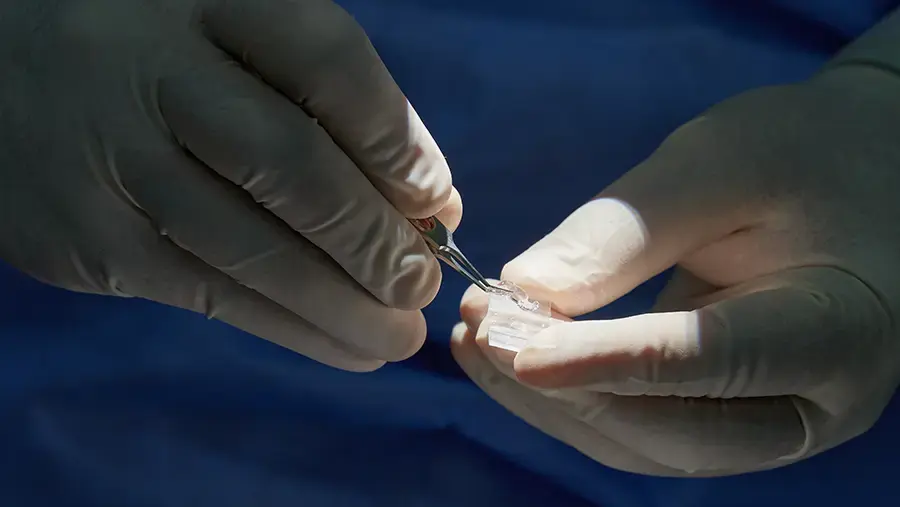





Cataract surgery has become one of the most advanced procedures in modern medicine. In addition to removing the cloudy cataract, today’s surgery can also reduce dependence on glasses using advanced intraocular lens implants.
One of the newest premium lenses available is the Clareon PanOptix Pro intraocular lens, developed by Alcon.
The PanOptix Pro lens is designed to provide clear vision at distance, intermediate, and near, allowing many patients to perform everyday activities with little or no need for glasses after cataract surgery.
In this guide, we’ll explain:
- What the PanOptix Pro lens implant is
- How the technology works
- How the PanOptix Pro differs from the original PanOptix lens
- Advantages and potential downsides
- Who may be a good candidate
- Who may not be a good candidate
If you are considering premium lens implants during cataract surgery, understanding how the PanOptix Pro lens works can help you determine whether it may be the right choice for your vision.
What Is the PanOptix Pro Lens Implant?
The Clareon PanOptix Pro lens is a trifocal intraocular lens (IOL) used during cataract surgery.
During cataract surgery, the eye’s natural cloudy lens is removed and replaced with a clear artificial lens implant. Traditional cataract surgery typically uses monofocal lenses, which provide clear vision at only one distance.
The PanOptix Pro lens uses advanced optical engineering to provide vision at three distinct distances:
- Distance vision — driving and watching television
- Intermediate vision — computer work and dashboard viewing
- Near vision — reading books or smartphones
This trifocal design allows many patients to perform most daily activities without needing glasses.
How the PanOptix Pro Lens Works
The PanOptix Pro lens uses diffractive trifocal optics to split incoming light into multiple focal points.
Microscopic optical rings on the surface of the lens direct light to different distances, allowing the eye and brain to interpret images clearly whether a patient is looking far away, at arm’s length, or up close.
This optical design provides functional vision for many common activities such as:
- Driving
- Reading a phone
- Working on a computer
- Cooking
- Watching television
Many patients find that they can perform most daily tasks with minimal dependence on glasses.
How the PanOptix Pro Is Different From the Original PanOptix Lens
The PanOptix Pro lens builds upon the success of the original PanOptix Lens, which has been widely used in cataract surgery for many years.
The Pro version incorporates several refinements designed to improve visual performance.
Improved Optical Design
The PanOptix Pro lens uses updated optical engineering intended to enhance image quality and improve how light is distributed across different focal points.
These refinements aim to:
- Improve visual clarity
- Maintain a smooth transition between distances
- Enhance overall visual quality
Enhanced Contrast and Visual Quality
One of the goals of the PanOptix Pro lens is to improve contrast sensitivity compared with earlier multifocal designs.
Better contrast can help patients see more clearly in situations such as:
- Dim lighting
- Cloudy days
- Night driving
Clareon Lens Material Platform
The PanOptix Pro lens is built on Alcon’s Clareon hydrophobic acrylic material, which was developed to improve long-term lens clarity.
This material is designed to:
- Resist micro-vacuoles (often called glistenings)
- Maintain optical clarity over time
- Provide stable positioning within the eye
This lens platform has been widely adopted in modern cataract surgery.
Refined Visual Experience
While the original PanOptix lens already provided excellent multifocal performance, the PanOptix Pro lens aims to deliver a more refined visual experience with improvements in image quality and visual comfort.
Advantages of the PanOptix Pro Lens
Many patients choose trifocal lenses because they want to reduce their dependence on glasses after cataract surgery.
Potential advantages of the PanOptix Pro lens include:
Reduced Dependence on Glasses
Many patients can perform activities such as reading, driving, and computer use without glasses.
Full Range of Vision
The trifocal optical design provides vision at:
- Distance
- Intermediate
- Near
This allows patients to comfortably perform a wide range of everyday tasks.
Advanced Lens Technology
The PanOptix platform has been studied extensively and implanted in large numbers of patients worldwide.
The Pro version builds upon this experience with updated optical refinements.
Astigmatism Correction Available
The PanOptix Pro lens is available in toric versions designed to correct astigmatism during cataract surgery.
Correcting astigmatism can improve visual outcomes and reduce dependence on glasses even further.
Potential Downsides of the PanOptix Pro Lens
Although trifocal lenses offer many benefits, they are not ideal for every patient.
Halos and Glare at Night
Because trifocal lenses split light into multiple focal points, some patients may notice:
- Halos around lights
- Glare while driving at night
- Starburst patterns
These symptoms often improve over time as the brain adapts to the lens.
Slight Reduction in Contrast Sensitivity
Multifocal lenses may produce slightly lower contrast compared with monofocal lenses, particularly in dim lighting.
Higher Cost
Premium lenses like PanOptix Pro are typically not fully covered by Medicare or insurance.
Patients usually pay an additional out-of-pocket cost for these upgrades.
Who Is a Good Candidate for the PanOptix Pro Lens?
Patients who tend to do well with trifocal lenses often share several characteristics.
Patients Who Want Freedom from Glasses
Many patients choose trifocal lenses because they want to reduce dependence on reading glasses or bifocals.
Patients with Healthy Eyes
The best outcomes usually occur in patients without significant eye disease such as:
- Macular degeneration
- Advanced glaucoma
- Significant corneal disease
Patients with Active Lifestyles
People who regularly perform activities requiring vision at multiple distances—reading, computer use, driving, and traveling—often benefit from trifocal lenses.

Who May Not Be a Good Candidate?
Some patients may be better suited to other lens options.
Patients with Retinal Disease
Conditions affecting the retina may reduce the performance of multifocal lenses.
Patients Who Require Extremely Sharp Night Vision
Individuals who frequently drive long distances at night may prefer lenses that produce fewer halos.
Patients Who Prioritize Maximum Contrast Vision
Monofocal lenses still provide the highest contrast sensitivity and sharpest image quality.
What to Expect After Cataract Surgery With the PanOptix Pro Lens
Recovery from cataract surgery is typically fast.
Many patients notice significant improvement in vision within a few days.
Over the following weeks, the brain gradually adapts to the trifocal optics of the lens.
During this adaptation period, visual clarity and comfort often continue to improve.
Is the PanOptix Pro Lens Right for You?
Choosing the right lens implant is one of the most important decisions in cataract surgery.
The PanOptix Pro lens may be a good option for patients who want:
- clear vision at multiple distances
- reduced dependence on glasses
- advanced trifocal lens technology
However, every patient’s eyes and lifestyle are different.
A consultation with an experienced cataract surgeon can help determine which lens option may provide the best visual outcome.

The Bottom Line
The Clareon PanOptix Pro lens implant represents the next generation of trifocal intraocular lens technology.
By combining refined diffractive optics with the Clareon lens platform, the PanOptix Pro lens is designed to provide clear vision at distance, intermediate, and near after cataract surgery.
For many patients, this technology offers the possibility of greater independence from glasses and a more convenient visual lifestyle after surgery.
A consultation with a qualified cataract surgeon can help determine whether the PanOptix Pro lens implant is the right choice for your eyes.
Frequently Asked Questions
What is the PanOptix Pro lens implant?
The PanOptix Pro lens implant is a trifocal intraocular lens used during cataract surgery. It is designed to provide clear vision at distance, intermediate, and near, allowing many patients to reduce their dependence on glasses.
How is PanOptix Pro different from the original PanOptix lens?
PanOptix Pro is the next generation of the original PanOptix lens. It includes refinements to the optical design and uses Alcon’s Clareon lens material platform, which is designed to improve image clarity and long-term lens stability.
Does the PanOptix Pro lens eliminate the need for glasses?
Many patients who receive the PanOptix Pro lens can perform most daily activities without glasses. However, some people may still occasionally need reading glasses for very small print.
Does the PanOptix Pro lens cause halos?
Some patients notice halos or glare around lights at night after surgery. These symptoms are common with trifocal lenses and often improve over time as the brain adapts to the new lens.
Is the PanOptix Pro lens covered by Medicare?
Medicare typically covers cataract surgery with a basic monofocal lens. Premium lenses like the PanOptix Pro are considered upgrades and usually involve an additional out-of-pocket cost.
About the Author Written by Dr. Michael Shumski, M.D., M.S.E.

Dr. Shumski is a board-certified ophthalmologist specializing in cataract & refractive surgery at Magruder Laser Vision in central Florida.