




Key Takeaways
- Shared vision problems across centuries: Monet’s muddy palette and the blurred, doubled vision modern stars describe trace back to the same clouded lens.
- A procedure transformed since 1923: Monet spent nearly two years readjusting after a lens-free operation, while today’s patients typically recover within days of receiving a clear lens implant.
- Correct diagnosis comes first: Cataracts share early warning signs with other common eye disorders, so an expert exam guides treatment.
In the winter of 1923, an 82-year-old Claude Monet finally agreed to the operation he had dreaded for years, hoping to recover the blues and greens that cataracts had slowly drained from his gardens at Giverny. His story, later echoed by actors and broadcasters, remains one of history’s most relatable accounts of age-related vision problems. Where Monet faced years of uncertainty, today’s patients benefit from a very safe and effective procedure. Below, we follow Monet, Mary Cassatt, and today’s public figures from diagnosis to recovery, then show how to tell cataract vision problems apart from other common eye disorders.
How Did Cataracts Change the Lives of Monet and Mary Cassatt?
Monet’s hesitation made sense for his era, since he and fellow Impressionist Mary Cassatt faced cataracts decades before lens implants existed, when removing a clouded lens left patients dependent on thick spectacles.
- How Did Monet Reclaim His Color After Surgery? For roughly ten years, Monet watched cataracts dull his color perception, and seeing fellow artists Honoré Daumier and Mary Cassatt struggle after early operations made him wary of surgery. In 1922, his surgeon, Charles Coutela, recorded light perception only in Monet’s right eye, and in early 1923 he removed that lens in a two-stage procedure. After nearly two years adjusting to aphakic spectacles, Monet resumed his pre-cataract style in 1925, even discarding canvases from his clouded years.
- How Did Mary Cassatt Adapt to Her Vision Problems? As her vision declined, Cassatt switched from oils to pastels, which require no color mixing, a creative workaround that extended her career. Diabetic retinopathy also affected her retina, and her operations between 1915 and 1919, performed decades before lens implants existed, could not restore the sight she needed to return to painting.
Each obstacle these two artists faced, from missing lens implants to repeated operations and years of readjustment, now has a modern answer:
| Factor | Monet’s 1923 Cataract Surgery | Modern Cataract Surgery |
| Lens Replacement | None; heavy aphakic spectacles | Foldable intraocular lens (monofocal, toric, or presbyopia-correcting) |
| Procedure | Two-stage operation, plus a later capsule procedure | One brief outpatient session per eye |
| Color Perception Afterward | Distorted color, at times too yellow or too blue | Clearer, brighter color, often within days |
| Return to Daily Life | Roughly two years of readjustment | Recovery in most cases takes only several days |
Monet’s Blue Period, Then and Now: Without a lens to filter incoming light, Monet found that colors looked too blue through his operated eye, and his water lilies from that period carry stronger blue and violet tones. Many patients today notice a far gentler echo in the first weeks after cataract surgery, with whiter whites and more vivid blues, a normal sign that light once again reaches the retina through a clear intraocular lens.
How Has Cataract Surgery Transformed Life for Modern Celebrities?
The surgery Monet feared now restores sight within days, and public figures have described what that change meant for their work and daily lives:
- Mila Kunis: The actress lived “blind in one eye for many years” from a cataract caused by iritis, keeping the condition private until successful surgery restored her sight.
- Savannah Guthrie: When a cataract developed after her 2019 retinal repair, the TODAY anchor underwent surgery in 2020 and told viewers her close-up vision improved so dramatically that she cried with gratitude leaving her follow-up appointment.
- John Goodman: The actor stepped away from work in 2013 for care that included cataract surgery before returning to a full screen career, including reprising Dan Conner on The Conners.
- Cheryl Ladd: Choosing not to accept fading color as normal aging, the actress selected a trifocal lens implant and told Alcon it helped her see more like her younger self and stay active.
- Amitabh Bachchan: Seeing multiples of every word prompted the Indian film actor to have surgery on both eyes, and he later blogged that the life-changing result revealed details he had missed.
- Josh Duhamel: In a 2025 E! News interview, the actor revealed that cataract surgery gave him 20/20 vision, joking that he felt too young for it.
How Do Cataract Vision Problems Differ From Other Eye Disorders?
The blur, glare, and faded color these stars described all begin in the lens, where cataracts form as proteins break down and gradually tint the lens yellow or brown. That amber filter dulls blues, scatters light into the kind of glare that drove Monet to paint beneath a wide straw hat, and creates blur that stronger glasses can no longer fix. Because several other eye disorders common after 55 share some of these vision problems, a comprehensive dilated exam guides every treatment decision:
| Eye Disorder | Typical Vision Problems | Famous Example | Treatment Approach |
| Macular Degeneration | Blurred or distorted central vision. | Dame Judi Dench | Ongoing monitoring; injections for the wet form. |
| Glaucoma | Gradual loss of side vision, often unnoticed early. | Bono | Eye drops, laser, or surgery to lower eye pressure. |
| Diabetic Retinopathy | Spotty or fluctuating vision. | Mary Cassatt | Blood sugar control, laser, or injections. |
Compared with these eye disorders, cataracts rank among the most treatable, so if faded color or nighttime glare sounds familiar, a board-certified surgeon in the Best Cataract Surgeons directory can evaluate your vision problems, coordinate care for any coexisting condition, and outline modern options near you.
What Do Patients Most Often Ask About Cataracts and Related Eye Disorders?
1. Can Cataracts Come Back After Surgery?
A removed cataract cannot regrow, though haze sometimes forms on the capsule holding the implant, which a quick in-office YAG laser treatment clears.
2. Does Cataract Surgery Hurt?
Surgeons numb the eye with drops or an injection and often add medication to help you relax, so you stay awake and comfortable throughout.
3. Should I Wait Until My Cataracts Are “Ripe” Before Surgery?
Modern eye surgeons no longer use the term “ripe” and instead base timing on how much your vision problems affect driving, reading, and the activities you value.
Ready to See Your World in Full Color Again?
Whether you live in Miami, Phoenix, Chicago, or a small town between them, the Best Cataract Surgeons directory connects you with board-certified cataract surgeons in your area using the latest lens technology, so you can schedule a personalized consultation, address your vision problems sooner, and enjoy the vivid color Monet waited years to see again.
Source List & References
- American Academy of Ophthalmology.20 Celebrities With Eye Conditions.
- PubMed Central, National Institutes of Health.The Effect of Cataracts and Cataract Surgery on Claude Monet.
- Science History Institute.Could Claude Monet See Like a Bee?
- American Academy of Ophthalmology.10 Celebrities’ Chronic Eye Diseases and Conditions.
- American Academy of Ophthalmology.Can Cataract Surgery Be Done Before the Cataract Is Ripe?
About the Author Dr. Kiper Nelson
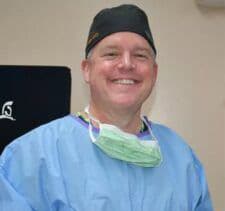
Dr. Nelson is a board-certified ophthalmologist specializing in refractive cataract surgery, advanced lens implants, and laser vision correction at Southern Eye Center in Hattiesburg, Mississippi.